

Departments
Orthopedist
Departments
Orthopedist
Department
Orthopedist
Orthopedist
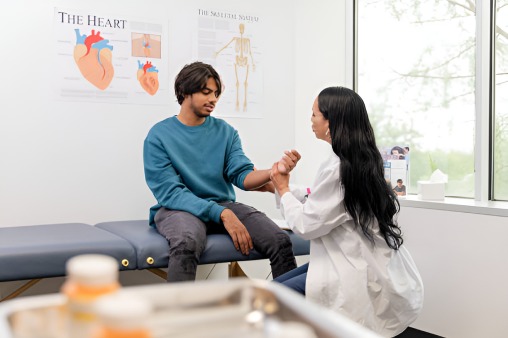
Our orthopedist offers personalized treatment plans tailored to your specific musculoskeletal needs, ensuring optimal joint and bone health. With expert care and advanced techniques, we help you recover from injuries and maintain an active, pain-free lifestyle.
[elementor-template id=”10159″]
About Department
Orthopedist
Our orthopedist offers personalized treatment plans tailored to your specific musculoskeletal needs, ensuring optimal joint and bone health. With expert care and advanced techniques, we help you recover from injuries and maintain an active, pain-free lifestyle.
About Department
Orthopedist
Our orthopedist offers personalized treatment plans tailored to your specific musculoskeletal needs, ensuring optimal joint and bone health. With expert care and advanced techniques, we help you recover from injuries and maintain an active, pain-free lifestyle.
[elementor-template id=”10212″]
[elementor-template id=”9343″]
Our Team
Meet Our Dedicated Healthcare Team
Comprehensive Orthopedic Services
Find Your Answers Here
Orthopedic specialists treat a wide range of conditions affecting the musculoskeletal system, including fractures, joint pain, arthritis, ligament and tendon injuries, spinal disorders, and sports-related injuries.
You should see an orthopedic doctor if you experience persistent pain in your bones, joints, or muscles, difficulty in movement, or if you’ve suffered an injury that doesn’t improve with rest and basic treatment.
Common signs include swelling, stiffness, decreased range of motion, joint instability, numbness, and persistent pain in the affected area. If you notice any of these symptoms, it’s important to seek medical attention.
Bring any relevant medical records, a list of medications you’re taking, and details about your symptoms and medical history. Wear comfortable clothing that allows easy access to the affected area for examination.
Recovery time varies depending on the type of surgery and individual factors, but most patients can expect to resume normal activities within 6 to 12 weeks. Full recovery, including physical therapy, may take several months.
Yes, many orthopedic conditions can be managed with non-surgical treatments such as physical therapy, medications, injections, and lifestyle modifications. Surgery is considered when these options are not effective.
Risks may include infection, blood clots, nerve or blood vessel damage, and complications related to anesthesia. Your orthopedic surgeon will discuss these risks and how they are managed before your procedure.
You may need a joint replacement if you have severe pain, stiffness, or joint damage that limits your daily activities, and other treatments like medications or physical therapy have not provided relief.
Find Your Answers Here
Orthopedic specialists treat a wide range of conditions affecting the musculoskeletal system, including fractures, joint pain, arthritis, ligament and tendon injuries, spinal disorders, and sports-related injuries.
You should see an orthopedic doctor if you experience persistent pain in your bones, joints, or muscles, difficulty in movement, or if you’ve suffered an injury that doesn’t improve with rest and basic treatment
Common signs include swelling, stiffness, decreased range of motion, joint instability, numbness, and persistent pain in the affected area. If you notice any of these symptoms, it’s important to seek medical attention.
Bring any relevant medical records, a list of medications you’re taking, and details about your symptoms and medical history. Wear comfortable clothing that allows easy access to the affected area for examination.
Recovery time varies depending on the type of surgery and individual factors, but most patients can expect to resume normal activities within 6 to 12 weeks. Full recovery, including physical therapy, may take several months.
Yes, many orthopedic conditions can be managed with non-surgical treatments such as physical therapy, medications, injections, and lifestyle modifications. Surgery is considered when these options are not effective.
To prevent injuries, maintain a healthy weight, stay active with regular exercise, practice good posture, use proper techniques when lifting or playing sports, and wear appropriate protective gear during activities.
You may need a joint replacement if you have severe pain, stiffness, or joint damage that limits your daily activities, and other treatments like medications or physical therapy have not provided relief.
Schedule Your Visit Today!
From Physiotherapy Sessions to Comprehensive Diet Plans to At-home Diagnostic Tests, we’ve got you covered!
Schedule Your Visit Today!
From Physiotherapy Sessions to Comprehensive Diet Plans to At-home Diagnostic Tests, we’ve got you covered!